Professional Concrete Flatwork for Twin Cities Properties
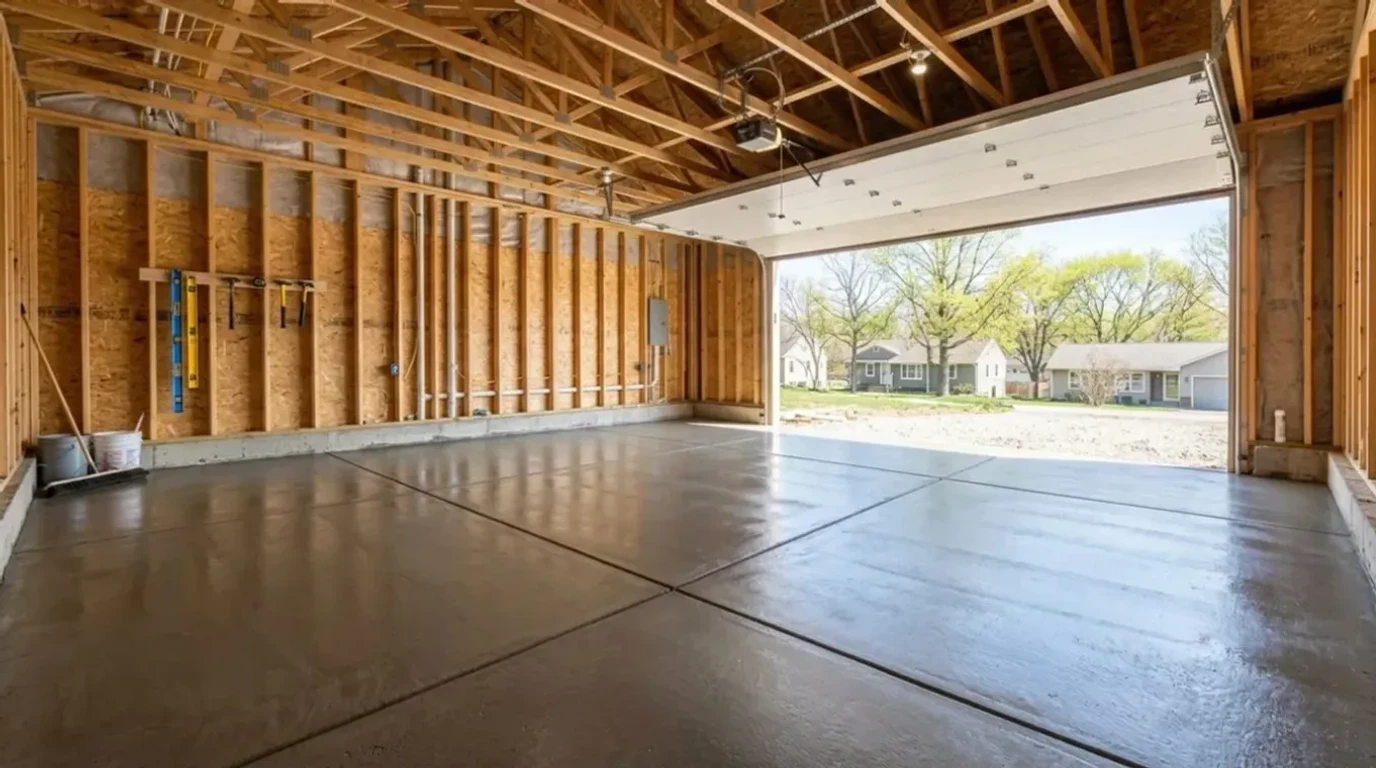
Every structure on your property sits on a slab, and that slab either holds up or it doesn't. Jensen Decorative Concrete pours garage floors, basement floors, shed pads, utility slabs, and general flatwork built for Minnesota's demanding soil and weather conditions.
Concrete Flatwork: The Foundation Under Everything Else
Flatwork is any horizontal concrete surface poured on grade — garage floors, shed pads, basement slabs, equipment pads, and utility surfaces. It's the functional side of concrete work. The goal is a flat, level, durable slab that supports weight, handles traffic, and resists cracking in Minnesota's freeze-thaw climate.
The process starts where all good concrete work starts: the subgrade. In the clay-heavy soils common from Waconia to Eden Prairie, compacting the subgrade and adding a gravel base layer prevents settling and cracking 3-5 years down the road.
- Proper subgrade prep — excavation, compaction, and gravel base prevent settling
- Application-specific thickness — 4 inches for foot traffic, 5-6 for vehicle loads
- Reinforcement matched to use — rebar, fiber mesh, or wire mesh
- Controlled joint placement — saw-cut or tooled joints prevent random cracking
Flatwork Finishes: Function First, Upgrades Available
Most flatwork projects call for a standard, functional finish — but that doesn't mean your only option is plain gray.
Broom Finish
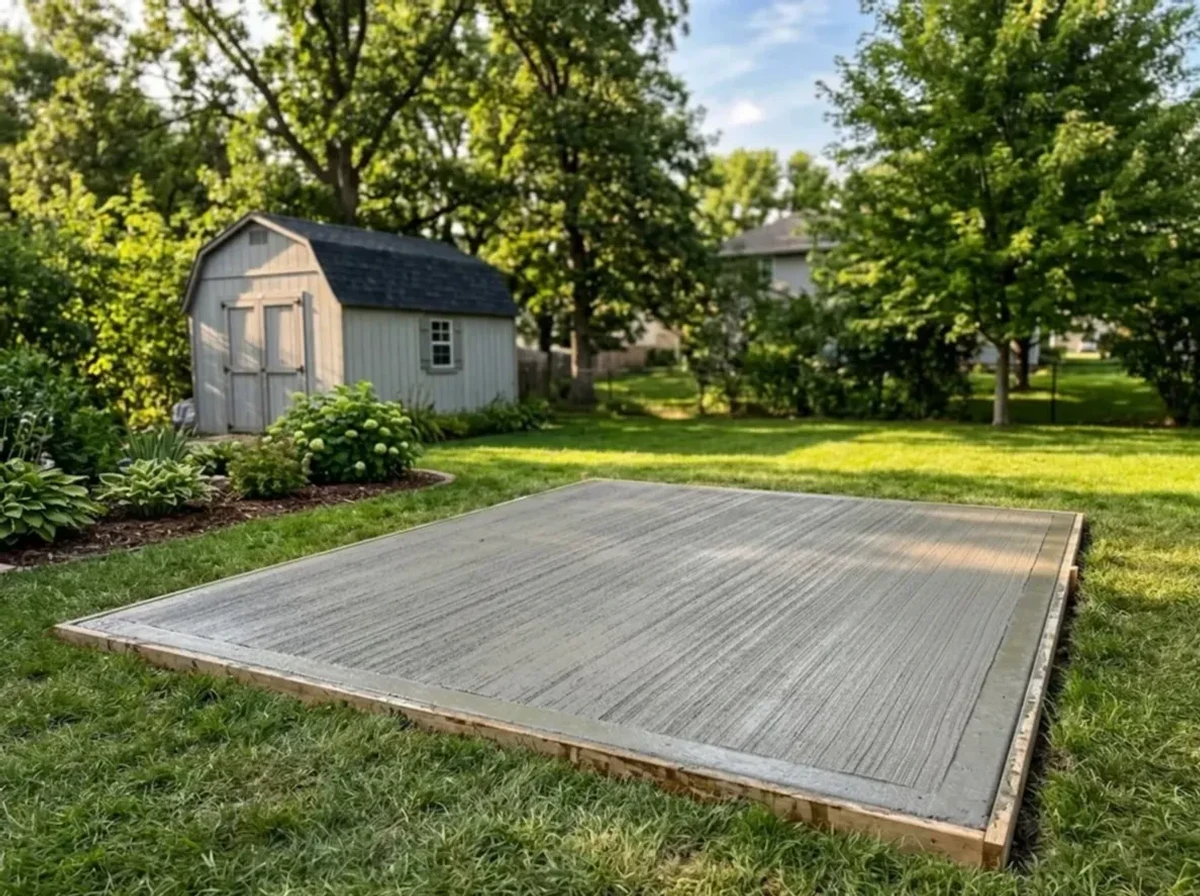
The standard for exterior flatwork. A broom pulled across the wet concrete creates directional lines that provide traction in wet conditions.
- Best traction in wet or icy conditions
- Most common finish for exterior utility slabs
- Clean, consistent appearance
- Most cost-effective option
Smooth (Steel Trowel) Finish
A smooth trowel finish creates a hard, dense surface that's easy to clean — the standard choice for garage floors, basement floors, and indoor slabs.
- Best for interior slabs — garages, basements, workshops
- Easy to sweep, mop, and keep clean
- Hard, dense surface resists abrasion
- Not recommended for exterior applications
Light Broom Finish
A lighter version of the standard broom finish that provides moderate texture without heavy grooves. A good middle ground for semi-exposed slabs.
- Moderate texture — less aggressive than standard broom
- Good for barn floors, carport pads
- Slightly easier to clean than full broom
- Balanced grip and appearance
Stamped Upgrade
If a shed pad, equipment pad, or utility slab is visible from your patio or living space, a stamped finish upgrades the appearance without changing the structural build.
- Available for any flatwork application
- Same structural integrity as standard flatwork
- Adds property value to visible utility slabs
- Pairs with integral color for a decorative finish
Where Flatwork Does the Heavy Lifting
Garage Pads (New Construction)
A new garage starts with a slab poured to the right thickness, reinforced for vehicle weight, and sloped correctly for drainage. We pour garage pads at 5-6 inches thick with rebar or heavy wire mesh reinforcement, on a compacted gravel base.
Learn More About Garage FloorsUtility & Shed Pads
A shed, generator, HVAC unit, or storage building needs a level pad underneath it. Shed pads are typically 4-5 inches thick depending on the load, poured on compacted subgrade with a gravel base.
Basement Floors
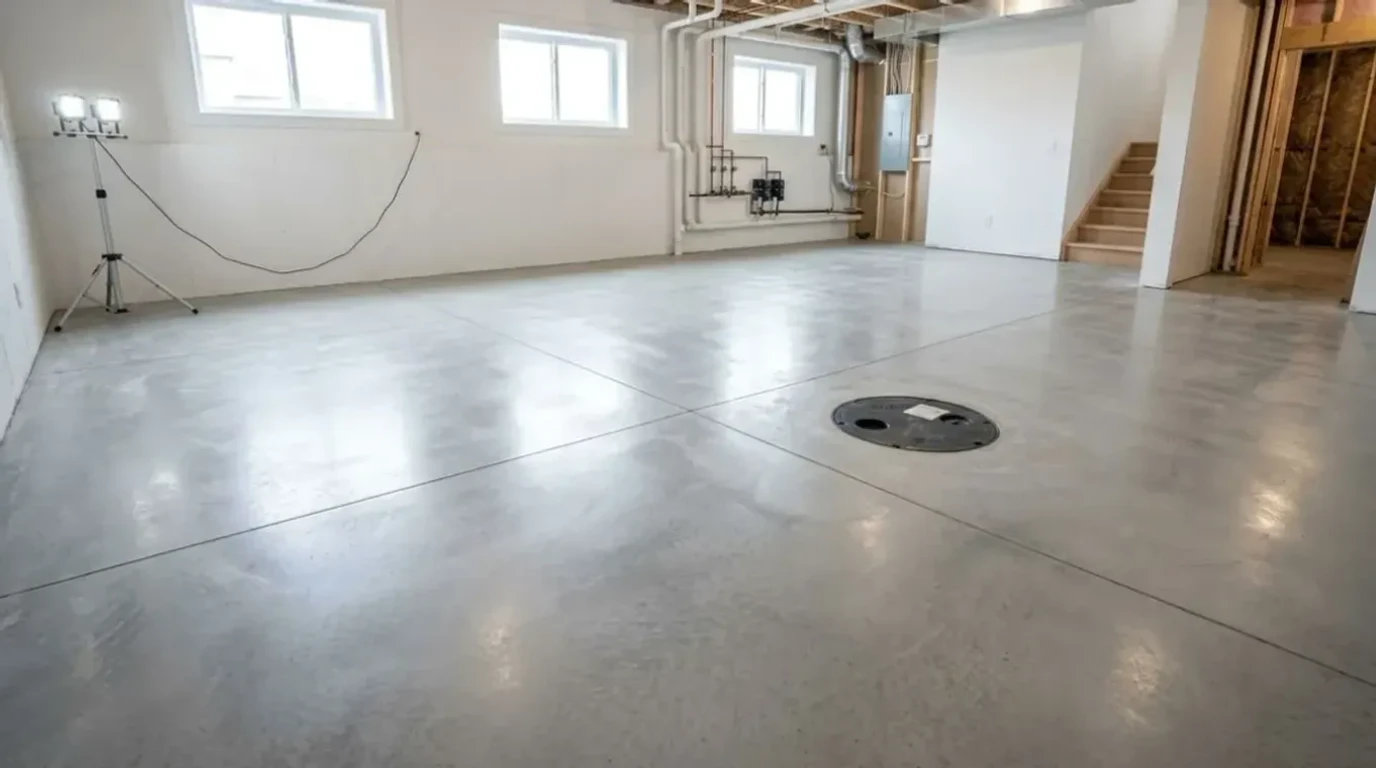
Basement floor pours happen during new construction or when replacing a deteriorated floor. The slab sits on a gravel base over a vapor barrier to prevent moisture migration up through the concrete.
Barn Floors
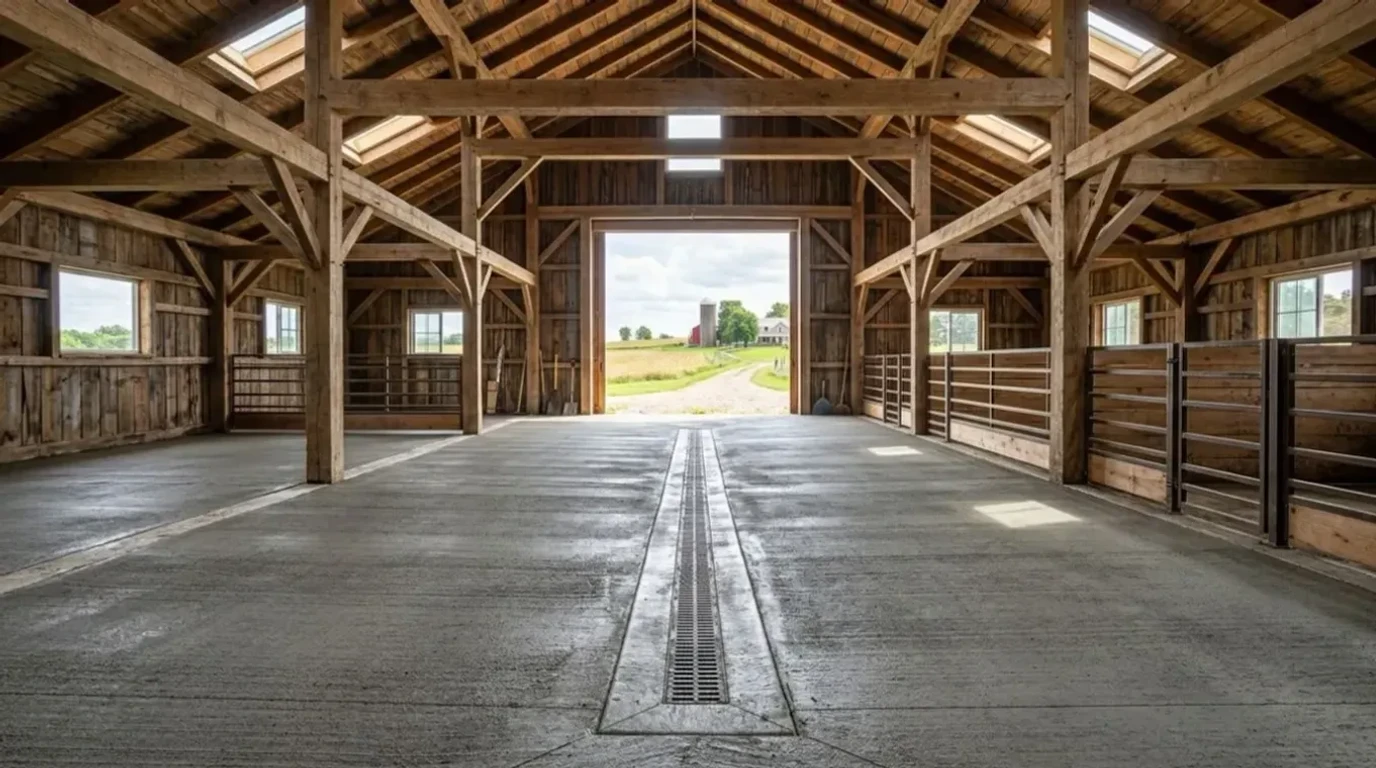
Hobby farms and equestrian properties need concrete barn floors that handle heavy loads. These slabs are poured 5-6 inches thick, with rebar reinforcement and a broom finish for traction.
Equipment Pads
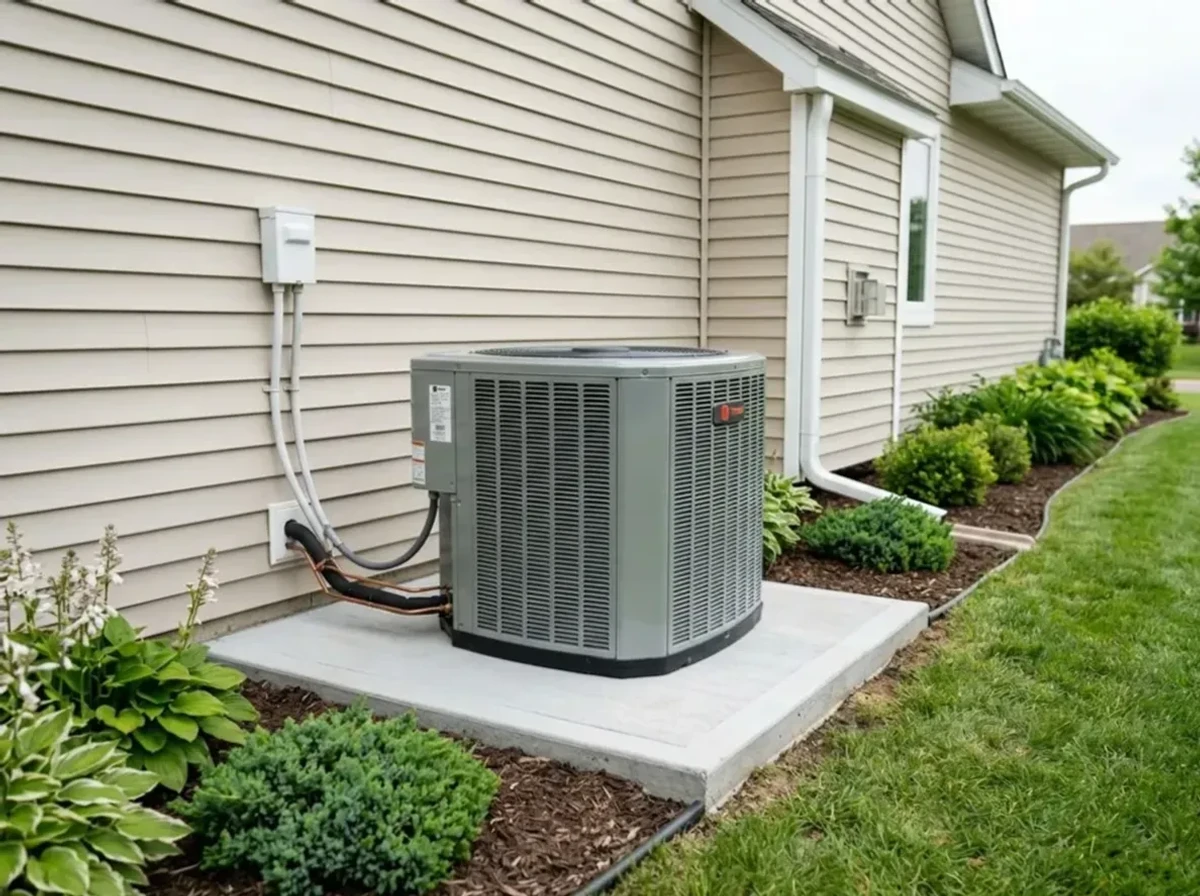
HVAC condenser units, standby generators, pool equipment, and other mechanical systems need a stable, level concrete pad sized to manufacturer specifications.
Professional Flatwork vs. DIY vs. Asphalt
| Feature | Professional Concrete | DIY Concrete | Asphalt |
|---|---|---|---|
| Longevity | 25-30+ years | 5-15 years | 15-20 years |
| Load Capacity | Matched to application | Often under-built | Moderate |
| Finish Quality | Level, consistent, professional | Uneven, visible flaws | Rough, utilitarian |
| Freeze-Thaw | Excellent | Variable | Fair |
| Crack Control | Engineered joints | Often missed | No control |
| Indoor Use | Garages, basements, barns | Risky | Not suitable |
How Every Flatwork Project Gets Done Right
On-Site Consultation
Derek visits your property to assess the project scope, soil conditions, access, and grading requirements. You get a detailed estimate within days.
Subgrade Preparation
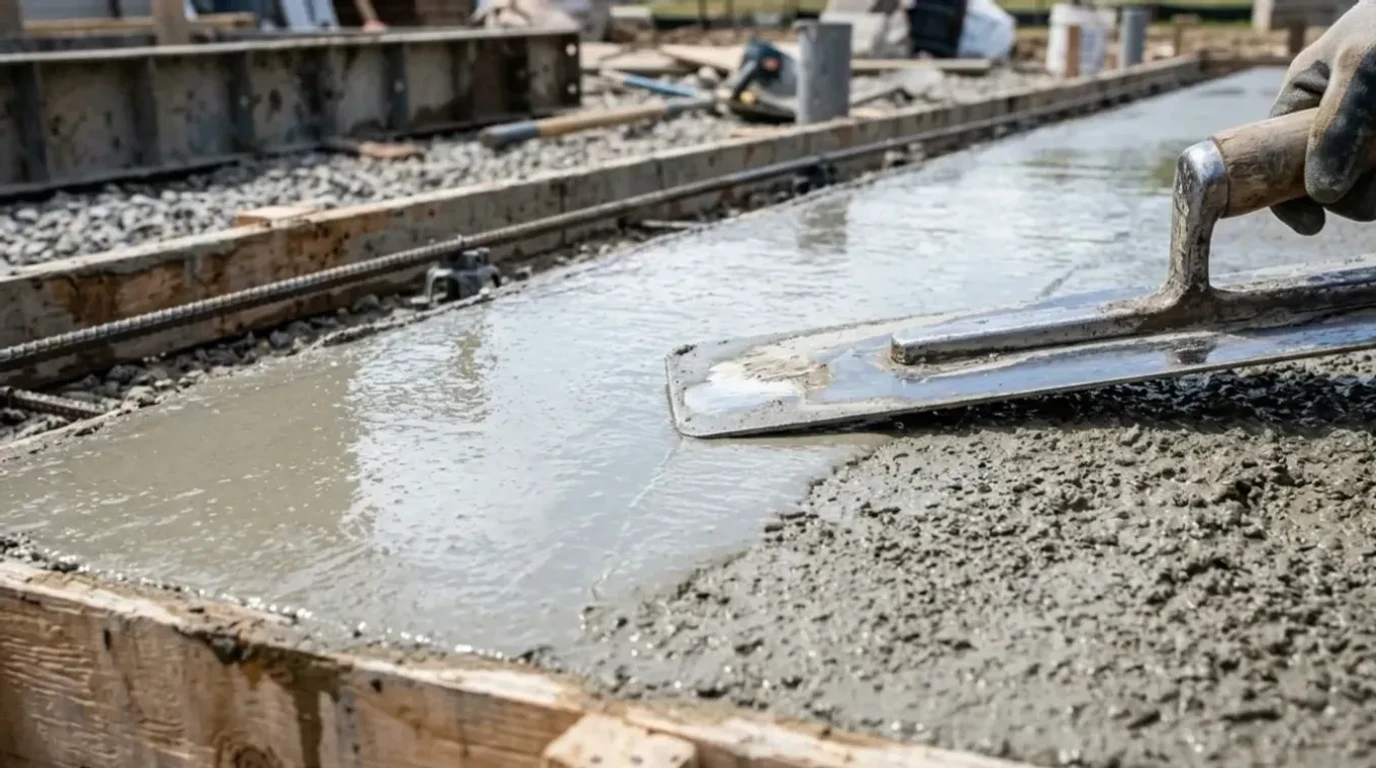
Excavation and grading to proper depth, subgrade compaction, and gravel base installation. This is where slab longevity is determined.
Forms & Reinforcement
Lumber forms set to correct grade and pitch, with rebar, wire mesh, or fiber mesh placed based on the slab's load requirements.
Pour, Finish & Cure
Concrete is poured, screeded, and finished to specification. Control joints are cut at calculated intervals, and proper curing begins immediately.
Simple Steps, Long Life
Utility slabs and functional flatwork are low-maintenance by nature. A few basic habits keep these surfaces performing for their full lifespan.
Seal Exterior Slabs Every 2-3 Years
A penetrating sealer blocks moisture absorption, preventing spalling from Minnesota's freeze-thaw cycles.
Keep Heavy Loads Centered
Slabs are strongest at center and weakest at edges. Keep vehicle jacks and heavy equipment toward the slab's center.
Fill Cracks Before Winter
Any crack wider than 1/4 inch should be filled with flexible concrete caulk before freeze-thaw season arrives.
Manage Drainage
Gutters, downspouts, and grading should direct water away from slab edges to prevent settling or frost heave.
Why Jensen for Your Flatwork Project
The Same Standards as Our Decorative Work
Seventy-five percent of our projects are decorative. That attention to detail carries over to every flatwork pour. Subgrade compaction, mix design, reinforcement placement, finishing technique — the standards don't change just because the finish is simpler.
Derek Jensen Runs Every Pour
On a flatwork project, the margin between a slab that lasts 30 years and one that cracks in 3 comes down to subgrade prep and finishing technique. Derek is on site for every pour. No middleman, no delegation to unsupervised crews.
Minnesota Soil & Climate Knowledge
Clay soils, frost depths that reach 42 inches, temperature swings of 60+ degrees between seasons — after 25 years of working across the west metro, those variables are accounted for before we set a single form.
Honest Scope & Pricing
Flatwork is our value offering, and we price it that way. No upselling decorative finishes you don't need. No vague estimates that grow after the work starts. The scope and price we quote are the scope and price you pay.
Flatwork Questions Homeowners Ask Most
What's the minimum thickness for a concrete slab?
Do I need rebar or is fiber mesh enough?
How long before I can drive on a new garage floor?
Can you pour concrete in Minnesota winters?
What does concrete flatwork cost per square foot?
My existing slab is cracked. Can it be repaired or does it need replacement?
Serving the Twin Cities West Metro
Jensen Decorative Concrete provides professional flatwork services across the Twin Cities western suburbs. Based in Cologne, MN.
Flatwork That Does Its Job for 30 Years
A properly poured slab just works, year after year, through every Minnesota winter and everything you put on top of it. Tell us what you need built.
Get Your Free EstimateQuality decorative concrete is just a call away.